

Why Fine Art Paper Is So Expensive: A Look Inside How It’s Made
- Posted on
- 0
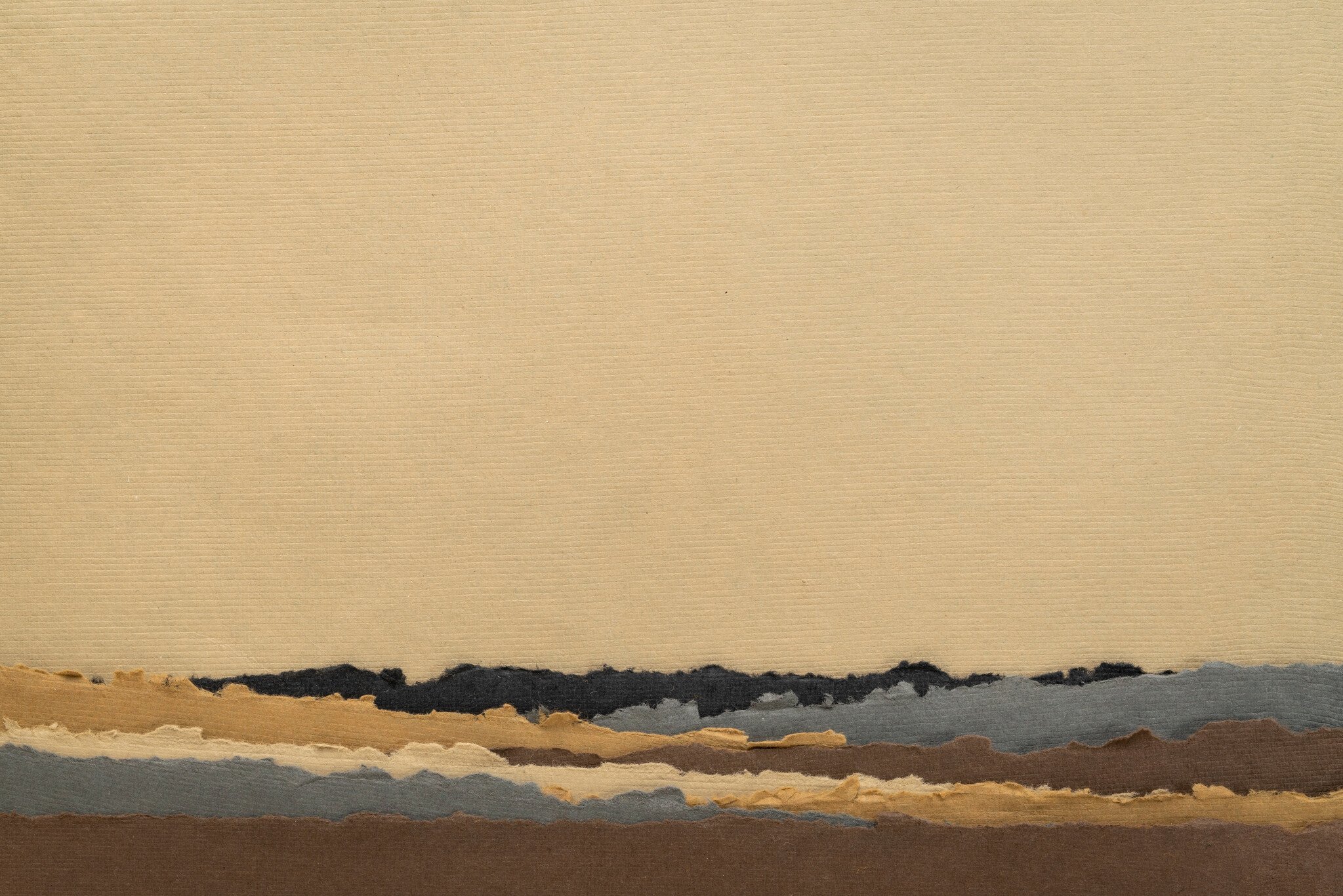
Fine art paper is one of those quiet heroes of the studio—rarely the star of the show, but essential to how an artwork looks, feels, and survives over time. Students often wonder why a single sheet of printmaking or watercolor paper can cost as much as a small sketchbook. The answer becomes much clearer once you understand how this specialty material is made, and just how much craftsmanship goes into every sheet.
Below is a peek inside the process, from raw fiber to finished sheet, and why premium papers command premium prices.
It Starts With Exceptional Fibers
Not all paper pulp is created equal. Fine art paper is made with pure, high-quality fibers chosen for strength, longevity, and a beautiful working surface.
Common fine art fibers:
Cotton rag (often recycled textile remnants) — the gold standard for durability and archival stability.
Kozo, gampi, and mitsumata — long natural fibers traditionally used in Japanese papermaking.
Alpha-cellulose — high-purity wood pulp that mimics many of the properties of cotton when processed carefully.
These fibers are more expensive than the generic wood pulp used in office paper, which is chemically processed, heavily bleached, and designed to be used once and thrown away.
The Three Main Production Processes: Handmade, Mould-Made, and Fourdrinier
Fine art paper isn’t all made the same way. The production method directly affects strength, surface quality, and price. There are three primary processes you’ll encounter: handmade, mould-made (cylinder mould), and Fourdrinier machine.
Understanding the difference helps explain why some sheets cost a few dollars—and others cost significantly more.
Handmade Paper
This is the oldest and most labor-intensive method. Each sheet is formed individually by a skilled papermaker.
How it works:
A mould (a framed screen) is dipped into a vat of pulp.
The sheet is gently shaken by hand to evenly distribute and interlock fibers.
The wet sheet is transferred (couched) onto felt.
Layers are pressed and then dried slowly.
There’s no automation here. Every sheet requires time, skill, and physical control.
What you get:
True deckle edges
Subtle surface variation
Extremely strong fiber structure
A tactile, organic character
Because it’s slow and produced in small quantities, handmade paper is typically the most expensive option.
Mould-Made (Cylinder Mould) Paper
This method blends tradition with controlled manufacturing. Historic mills like Arches and Hahnemühle use this process to produce professional-grade sheets.
How it works:
A rotating cylinder mould moves slowly through a vat of pulp.
Fibers are deposited gradually onto a screen.
The sheet is transferred to wool felts for pressing and drying.
The slower formation allows fibers to interlock more naturally than in high-speed industrial production.
What you get:
Excellent consistency
Strong, durable sheets
Beautiful surface textures
Performance ideal for watercolor, printmaking, and drawing
Mould-made paper offers professional reliability with much of the strength and character of handmade sheets. The machinery is specialized and production remains relatively slow—so costs remain higher than commercial paper.
Fourdrinier Machine Paper
The Fourdrinier machine is the standard industrial papermaking system used for everything from printer paper to many student-grade art papers.
How it works:
Pulp is poured onto a fast-moving wire mesh conveyor.
Water drains quickly as the sheet moves forward.
The paper passes through rollers and heated drying cylinders.
A continuous roll is produced and later cut to size.
This method is efficient and cost-effective.
What you get:
High consistency
Lower price point
Faster production
A more uniform fiber structure
Some excellent papers are made this way, especially for drawing and student use. But because the fibers form quickly, they don’t interlock with the same depth or strength as mould-made or handmade sheets.
Sizing: The Invisible Ingredient
Sizing controls how water and pigment behave on the paper surface. Too much sizing and paint sits on top; too little and colors bleed like a runaway watercolor.
Fine art papers often include:
Internal sizing (mixed into the pulp)
Surface sizing (brushed or dipped onto the finished sheet, often gelatin)
This careful balancing act ensures:
watercolor washes don’t feather
ink sits beautifully on the surface
printmaking processes transfer crisp detail
These materials—and the expertise needed to apply them—add to the cost.
Specialized Surfaces and Finishes
Fine art papers aren't just stamped out of a machine. They are produced with carefully controlled textures, including:
Hot press (smooth)
Cold press (moderately textured)
Rough
Plate finish for printmaking
Creating each surface requires different felts, rollers, pressure settings, drying processes, and quality checks.
Some papers even undergo extra treatments such as:
buffered pH adjustments
archival certification
surface coatings for digital printing
Every step is slow, exacting, and expensive.
Drying and Aging Take Space, Time, and Labor
After forming, fine art papers are often:
air-dried
slow-dried on wool felts
dried under restraint to prevent buckling
Unlike mass-produced paper—which goes from pulp to pallet in minutes—fine art paper may take days before it’s ready for packaging.
Some traditional mills also rest or age their papers before shipping to stabilize the fibers. This slow approach produces higher quality, but raises costs.
Small-Batch Production Keeps Quality High (and Supply Limited)
Most fine art paper mills produce in small batches. These are often boutique facilities with centuries-old processes, limited machinery, and craftspeople who have trained for years.
Mass market office paper is made by the ton—fine art paper might be made by the hundreds of sheets.
Any product made in small batches with expert labor is going to cost more.
Rigorous Quality Control
If you’ve ever noticed that your sheets of Arches or Stonehenge behave consistently from one semester to the next… that’s not luck.
Each batch undergoes:
fiber purity testing
strength and absorbency checks
color consistency measurements
archival pH testing
Reject sheets are scrapped or repulped, not sold. This standard of quality is built into the price.
Why Does This Matter to Artists?
Fine art paper isn’t expensive just because—it’s expensive because it performs beautifully under stress. Artists rely on it for:
predictable washes and texture
the ability to lift color without tearing
crisp edges on printmaking plates
surfaces that won’t degrade or yellow
longevity for exhibition or sale
High-quality paper supports the creative process and protects the artwork long after it leaves the studio.
In Short: Fine Art Paper Is Expensive Because It’s Exceptional
It’s made from premium fibers using slow, traditional processes with exacting standards. It is manufactured in small batches by highly trained craftspeople who treat each sheet like a professional material—not a disposable commodity.
So the next time you’re in The Underground choosing paper for a project, remember: you’re not just buying a sheet of paper. You're buying:
a centuries-old craft,
a carefully engineered surface,
a stable foundation for your artwork, and
the assurance that your piece will last far beyond your time at KCAI.
If you’re unsure which paper is right for your project, just ask—we’re always happy to help you find the best surface for your medium and your budget.
Comments
Be the first to comment...