





From Here to There: A Guide to Image Transfer Techniques
With the right materials and techniques, photographs, illustrations, printed text, and drawings can be transferred onto paper, wood, fabric, canvas, and other surfaces.
Read moreYour cart is currently empty
Product carousel items
With the right materials and techniques, photographs, illustrations, printed text, and drawings can be transferred onto paper, wood, fabric, canvas, and other surfaces.
Read more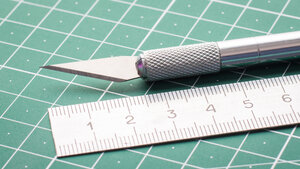
There’s something deeply satisfying about a clean, precise cut. No matter if you're trimming paper, cutting fabric, building a model, or preparing artwork for framing, choosing the right tool can make the difference between a professional finish and a frustrating afternoon.
Read more
Critique is one of the most valuable parts of an art and design education. It is also one of the most intimidating, especially for students experiencing their first group critique. Learning to draw, paint, design, or build is only part of an art education. Learning how to talk about creative work—your own and the work of others—is equally important. Critique is a skill. Like perspective drawing, typography, or color theory, it improves with practice.
Read more