

What to Wear (and How to Behave) When Visiting a Museum or Gallery
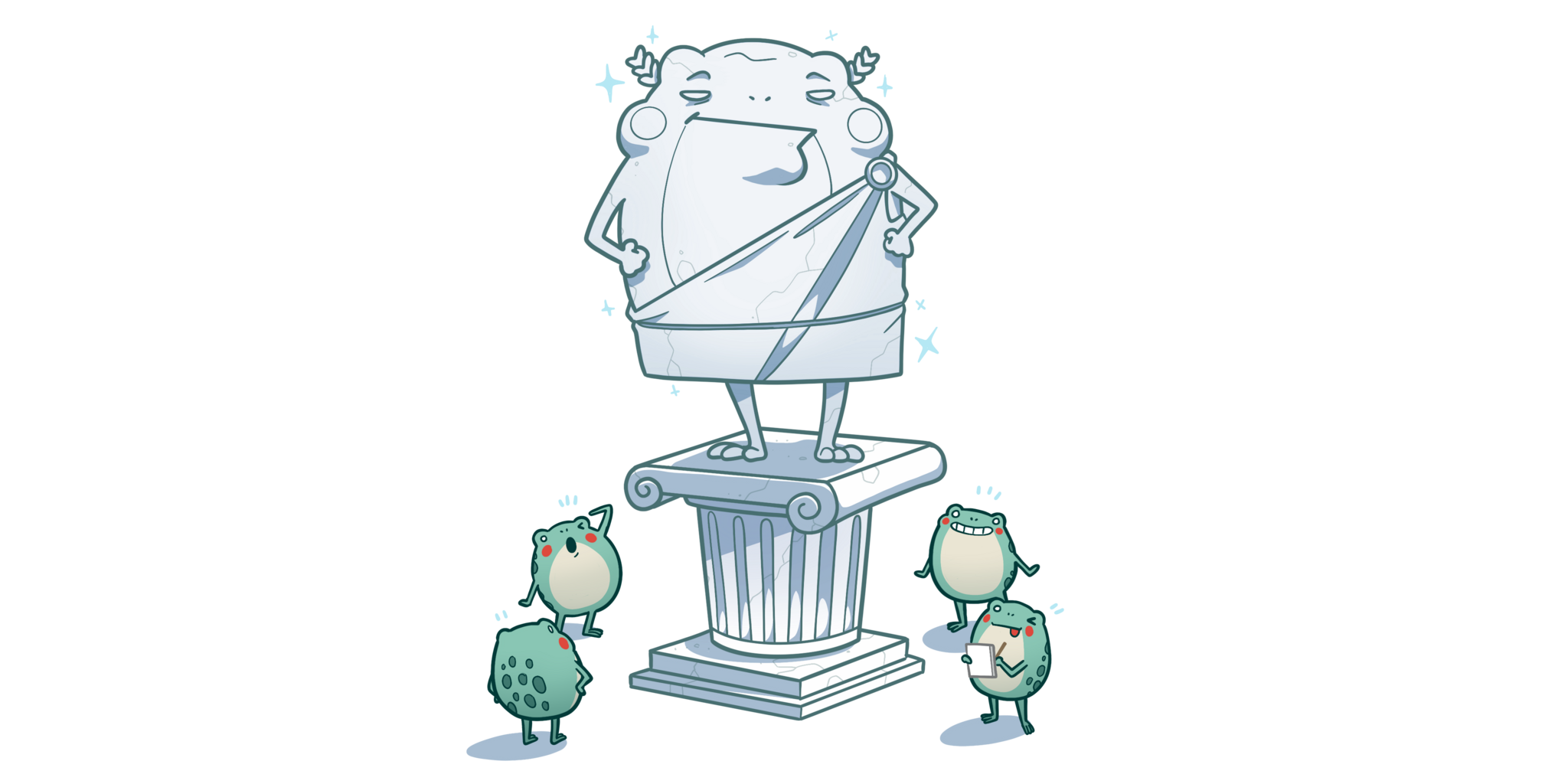
Visiting a museum or gallery is one of life’s great pleasures. You get to immerse yourself in someone else’s imagination, spend time with breathtaking objects, and—if you’re lucky—exit through a gift shop. But for newer visitors (and even for seasoned gallery-goers), a few practical questions often arise: What should I wear? Is photography okay? How close is too close? Can I bring my latte?
Let’s break it down so you can enjoy the art with confidence.
What to Wear: Comfort, Courtesy, and a Bit of Common Sense
Comfortable shoes are your best friend.
Museums are bigger than they look. Even the smallest galleries ask your feet to do more work than you expect. Choose shoes meant for standing and walking—not the pair that feels like knives attached to your feet.
Dress in layers.
Museums often keep temperatures cooler to preserve artworks (paper and textiles especially). A light sweater or jacket you can take off and carry easily is ideal.
Avoid backpacks if you can.
Many museums require backpacks to be worn on the front or checked at the coat desk. Crossbody bags or small totes are easier on security staff and less likely to bump into a priceless sculpture. (No one wants to be the reason something from the Ming dynasty hits the floor.)

Skip anything that jingles or swishes loudly.
Yes, your statement jacket sounds incredible. But maybe let it sit this one out. Sound carries in quiet galleries, and you want your fellow visitors’ attention on the art, not your outfit’s percussion section.
Wear what helps you feel good, mind and body.
Museums are for everyone, and there’s no need to dress “fancy,” unless you want to. Aim for clean, comfortable clothing that feels respectful to yourself, to the people around you, and the space you are visiting.
How to Behave: Museum Etiquette Made Easy
Mind the distance.
If you can reach out and touch the artwork… you’re too close. Give paintings, sculptures, artifacts, and installations plenty of breathing room. Invisible “do not cross” boundaries are real, even if they’re not taped on the floor.
Hands to yourself. Always.
Unless you are explicitly told otherwise (e.g., a designated interactive exhibit), touching artworks is a no-go. Natural oils from our hands damage surface layers. Think of “look, don’t touch” as the golden rule of art spaces.
Follow photography rules.
Many museums allow photography for personal use (no flash, please!). Some prohibit it altogether. Exhibition labels and signage will tell you what’s allowed. When in doubt, ask a staff member; they’re there to help.

Food and drinks stay outside the galleries.
Yes, even water bottles. One accidental spill can ruin decades of conservation work. Save the snacks for designated areas or the museum café.
Use inside voices, or go even quieter.
Galleries tend to be hushed spaces. Soft conversation is welcome, but try to be mindful of acoustics. If your voice echoes, it’s probably time to lower the volume.
Respect barriers and instructions from staff.
Stanchions, ropes, cases, and platforms all exist for a reason. And if a guard asks you to step back, they’re not singling you out. They’re protecting both you and the art.
Give other visitors space.
Avoid standing directly in front of a work for a very long time if others are waiting. Sharing is caring, especially when the exhibition is popular.
Be patient and enjoy the moment.
Slow down. Take a breath. Resist the urge to speed-walk through every room. Museums are places of wonder, contemplation, learning, and joy. Give yourself time to absorb what’s in front of you.
Bonus Tips for Students and Emerging Artists
Sketching is usually welcome, but bring dry materials only (pencils, pens—not charcoal, paint, or anything powdery).
Ask about accessibility services. Most museums offer wheelchairs, stools, large-print guides, or hearing devices.
If attending an opening or reception, dress in a way that suits you, but consider leaving your inflatable costume at home. Openings get crowded.
Final Thought: Museums Are for You
At the heart of all these guidelines is one truth: museums and galleries exist for the public. They’re spaces to learn, to question, to be moved, to be challenged, and to be inspired. Wear what keeps you comfortable, behave with care, and you’ll fit right in.
And remember, if you stop by the KCAI Underground before your next art adventure, we can hook you up with sketchbooks, pencils, umbrellas, small bags, and anything else you might need along the way.
Comments
Be the first to comment...